



Every December, social media floods with colorful cards showing top songs, artists, minutes listened, and stats like “listening age.” Spotify Wrapped has become a modern ritual. Many are intrigued by aspects like brag, nostalgia, and an enormous marketing win for the streaming company. Some question how Wrapped started, who actually made it what it is today, and why the campaign sparked so much excitement.
Spotify became in Stockholm in 2026, founded by Daniel Ek and Martin Lorentzon as a legal, user-friendly alternative to music piracy. The service launched publicly in 2008 and steadily expanded worldwide, offering an ad supporter free tier and paid subscription. That transformed how people discover and listen to music. Over the years Spotify added playlists, podcasts, and social features, growing into one of the largest audio platforms today. (Forbes).
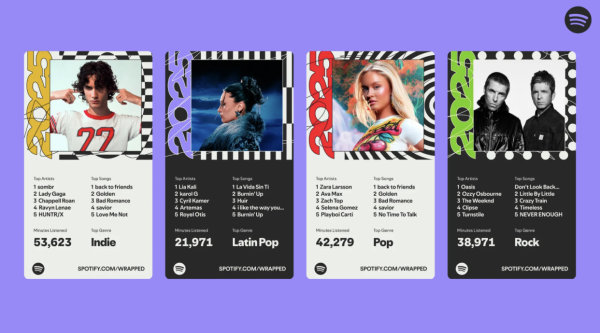
Spotify Wrapped is an annual, personalized campaign that summarizes each user’s listening habits over the past year: top artists, songs, genres, music listened and categories that encourage sharing like, “your listening age.” The campaign in its modern, shareable card and story format began around 2016. Which evolved from a simpler “Year in Music” approach in 2015. It was fully integrated into the Spotify app later, which amplified its entertainment. Wrapped’s shareability turned users into unpaid promoters with millions of social posts promoting Spotify every December. (Business Insider).
Wrapped delves into identity, nostalgia and the “ego economy.” People enjoy seeing data that feels like a personalized portrait with music choices functioning as a summary and analysis for personality. Wrapped also gives a dopamine hit: someone validates your taste- sometimes surprises you. From a marketing perspective, Spotify Wrapped is well established. It influences the approach of social sharing and positions Spotify as culturally relevant each holiday season. Financial Times and other outlets have described Wrapped as a “near perfect marriage of data design and cultural marketing.”
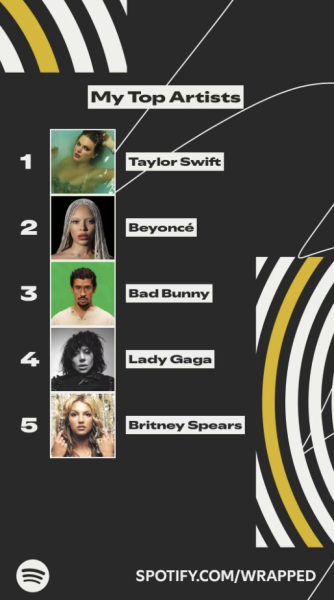
Wrapped’s core idea (an annual year in review) existed before the current story format layout, but reporting and interviews have highlighted one intern whose work helped make the modern, story style Wrapped much more shareable. Jewel Ham has said that while she was an intern she pitched and prototyped the story-format version that later scaled company wide, but didn’t receive public credit or a job offer tied to that project. (Refinery29). The story surfaces in social media about credit and labor in tech/design. Sparking conversation about how intern contributions are sometimes discredited by large companies without proper credit and acknowledgment. (Thred).
Many are unfamiliar with the fact that Spotify Wrapped started as an email/playlist based summary before becoming in-app with interactive content. Its 2016 rebrand is what pushed it towards the viral format that surfs the internet. (Financial Times). The campaign inspires other apps like YouTube and Duolingo who have launched their own year-in-review campaigns because of how effective Wrapped is at increasing engagement.
Spotify Wrapped is more than a product feature. It has become a cultural moment that highlights how personal data can be turned into a story. For users it’s entertainment and a way to illustrate how a year has shaped self-expression. For Spotify it’s time for publicity and growth. For designers and interns who help influence and shape these products, the Wrapped story is a reminder to record data and give credit where it is deserved.
