






Materialism is making more of a comeback, as social media continues to influence society to place an exorbitant amount of value on material objects. Materialism is defined as, “a tendency to consider material possessions and physical comfort as more important than spiritual values” and in several ways modern consumer culture enforces this mindset. Year round, people shop for their wants rather than their needs. However, once a year Black Friday comes around. Black Friday is a shopaholic’s favorite holiday that occurs every November on the day after Thanksgiving. This past Thanksgiving, Black Friday deals lured in 203 million shoppers, both online and in store (Medium).
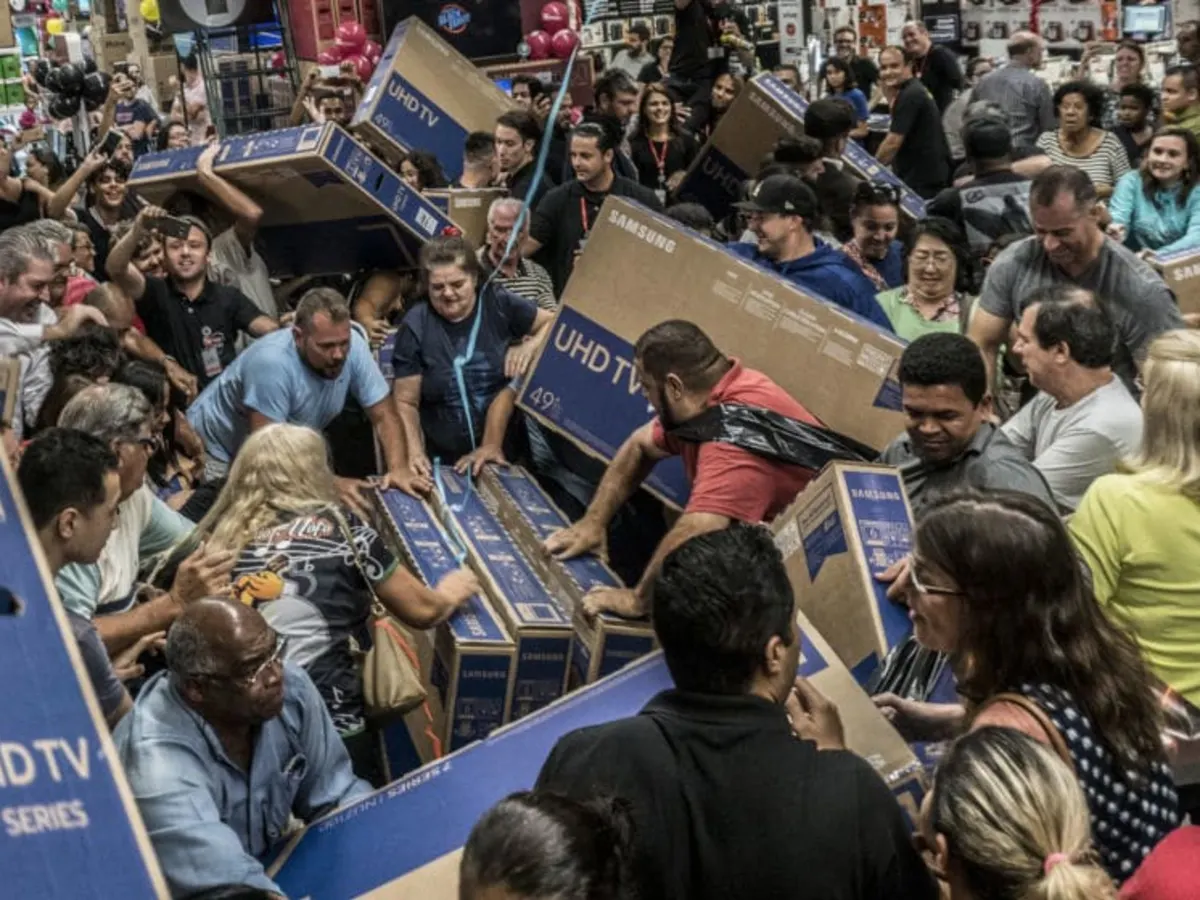
The annual holiday reinforces materialism all across the United States on a massive scale. While the day is commonly perceived as a chance to save money and kick off the holiday season on a good leg, some researchers have dived into the psychology behind Black Friday and people’s desires to spend their money on this holiday. The bandwagon effect is one of the main factors which leads people to feel like they need to participate in Black Friday. When shoppers see the sight of crowded stores, long lines, and product showcases online, the public is convinced that the deals must be worthwhile. The fear of missing out on a one time opportunity clouds their judgement, leading shoppers to buy things that they would normally not waste their money on. Believe it or not, emotions also play a surprisingly large role in Black Friday shopping. The festive feeling that goes hand in hand with Black Friday drives people to buy products out of excitement, rather than out of necessity (Hivenet).
Retailers use aggressive marketing tactics, countdowns and timers, and limited time deals to drive customers to make purchases quickly rather than thoughtfully. Most shoppers are motivated to buy a product because of the thrill in the moment. However, that sense of adrenaline is almost always proven to be temporary. If you happened to blow your entire budget on Black Friday shopping this past month, keep in mind that a short term feeling of excitement that comes along with buying a discounted item may not be worth it in the long run.
Not only does Black Friday reinforce materialism, it also encourages over consumption, which the rate increases more every year. This day normalizes over consumption through the false assumption that buying more products will lead to increased happiness. It enforces the idea that we can place a set price on happiness, which ultimately is untrue. The mindset of lining up self worth with what one owns is the heart of materialism (Psychologytoday). Some people find it ironic that Black Friday falls the day after Thanksgiving because that is a day which is focused on one being grateful for what they currently have in their life. Even if most shoppers do not realize it, when they make impulsive decisions to buy unnecessary items on Black Friday, they are normalizing the idea that with spending money on material items, comes long term happiness and value.