







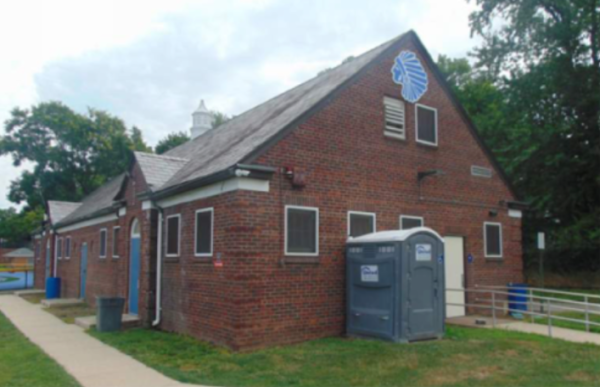
On November 4, 2025, Caldwell-West Caldwell will hold a bond referendum asking residents to approve the construction of a new $8.5 million athletic center, replacing the current structure that’s been around for about 80 years.
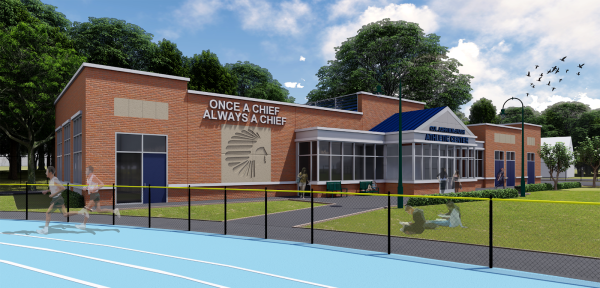
The plan is to build a 7,080-square-foot, one-story field house that focuses on the athletic essentials of James Caldwell High School. It would include locker rooms, a trainer’s room, storage areas, public restrooms, and a small lobby. Compared to the larger proposal that appeared on the ballot in March 2025, this version is simpler and a lot less costly. The district removed extra spaces like an SAT room and professional development area to keep the price lower and focus on what’s most needed.
One of the biggest factors in the athletic center referendum is the tax impact on local residents. If the proposal is approved, the average annual increase would be about $84 for Caldwell residents and $83 for West Caldwell residents, based on the average assessed value of homes in each township. The project would be funded through bonds. This means the cost is spread out, rather than collected all at once. By scaling back the original proposal and removing extra spaces that weren’t essential, the district says it’s focused on keeping the financial impact as reasonable as possible for residents.
The main goal of the project is to upgrade outdated facilities and provide more equal opportunities between male and female sports. Caldwell-West Caldwell District presented a slideshow on the new athletic center, and within the slides they shared the ultimate goal of the field house– “modernization, code compliance, and facilities for men & women” (CWC). Mr. Devlin, the principal of James Caldwell High School, explains that as of now, “In the fall, only one team uses the field house, and in the spring maybe one or two share it.” He continues, “This project would give more teams access to a functional space and help ensure both male and female athletes have the facilities they need.”
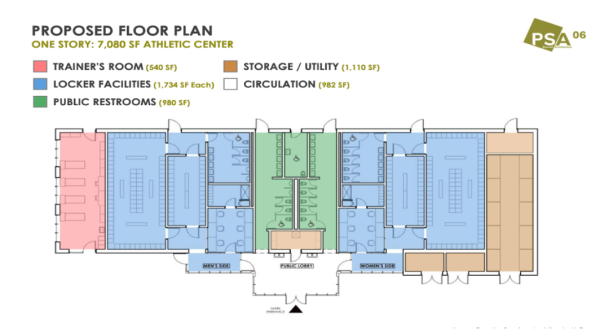
Some residents and students may wonder if the athletic center is truly necessary. Concerns often focus on the cost, the fact that it’s funded through property taxes, and whether the building will be used enough to justify the expense. Others may question how it will affect students who aren’t athletes or whether it will mainly benefit certain teams. The district has addressed these concerns by emphasizing that the facility is designed to benefit the entire student body, not just athletes. While the locker rooms and trainer’s area are mostly used for athletics, the new restrooms and lobby would also be publicly accessible during games and some community events, which means a cleaner, more convenient experience for students, families, and visitors. The field house would be a shared resource for the town because of its public restrooms. The cost is being maintained through bonds, spreading the expense over time so it supports long-term school needs without placing a financial burden on taxpayers.
The current field house is small, outdated, and doesn’t meet today’s needs. There’s not enough locker or storage space for all teams, and many programs, especially for female athletes, have had to work around these limitations for years. Cheer Coach Ms. Bergmann had mentioned that long bathroom lines and a lack of changing space often lead to wasted time and unnecessary stress before games. “Having a reliable place to change and keep our belongings would make a huge difference,” she shares.
Bergmann also pointed out that many coaches are also Caldwell or West Caldwell residents, so they’ll be paying for the project through their own property taxes. Many may argue the costliness of the proposed field house and may not support its creation, but Bergmann emphasized that this upgrade is about fairness and catching up after decades of unequal facilities.